
Industry:HR Compliance Added By:Admin Posted On:Aug. 5, 2019
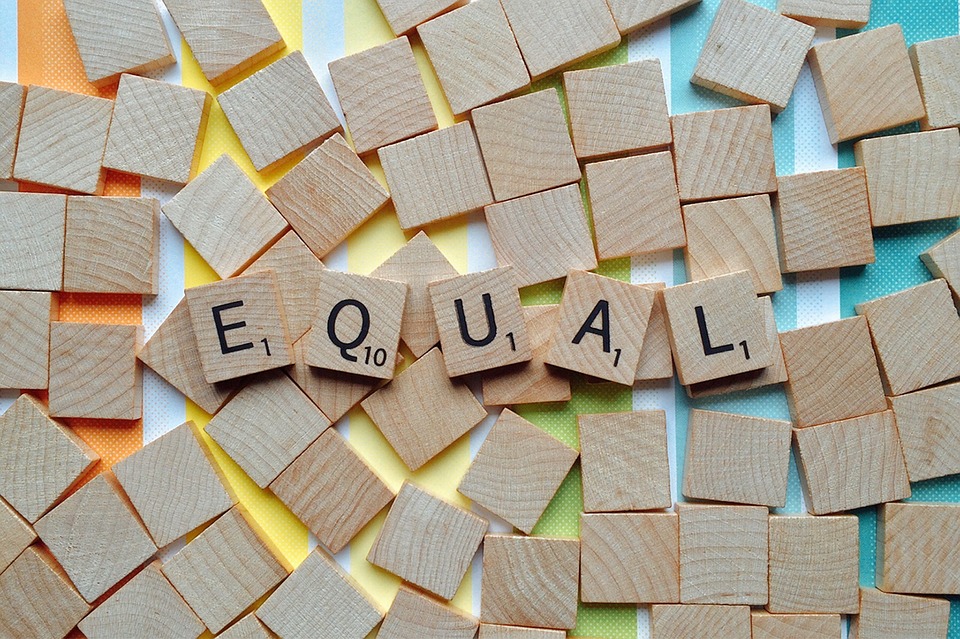
In many workplaces, employees who identify as lesbian, gay, bisexual, transgender or queer (LGBTQ) report being treated as outsiders or facing discrimination again and again. At its worst, that treatment can become dangerous. This article looks at the main reasons LGBTQ discrimination in the workplace persists and what has been done to promote equality.
LGBTQ employees report some of the highest rates of workplace discrimination. In surveys, gay and lesbian employees most often name homophobia as the main cause.
Homophobia can be described as an irrational fear of, or discomfort with, LGBTQ people. Some argue it has become more visible as more countries have legalized same-sex marriage. People who hold these views often don’t recognize them as homophobic. They may call same-sex attraction demeaning because they feel insecure about their own orientation, or because they wrongly believe it is contagious.
Because these attitudes are often unconscious, they can show up at work as jokes, exclusion from meetings or social events, or unfair treatment in assignments and promotions. Each of these can make LGBTQ employees feel unwelcome and less able to do their best work.
Some people cite religious texts on sexuality to criticize same-sex relationships. Quotations from the Bible are sometimes used to call homosexuality blasphemous, but the issue is not limited to Christianity. Followers of Islam, Buddhism and other faiths have voiced similar objections.
Protests and campaigns by LGBTQ employees have pushed the issue onto the agendas of governments and employers worldwide. Yet even in countries where same-sex marriage is legal, bullying and prejudiced comments are still common. Alongside religious objections and homophobia, stereotypes are another major source of discrimination against gay, lesbian and other LGBTQ people.
Stereotypes often go hand in hand with religious views and homophobia. A stereotype judges a person only by the group they belong to. People who rely on stereotypes may not realize what they are doing, but explicit stereotyping can stop when people pause and think before they speak.
Stereotyped comments have done real harm to gay, lesbian, transgender and other LGBTQ employees at work. That raises two questions: can this kind of discrimination be stopped, and what has the U.S. government done about it?
Around the world, a large number of countries still treat same-sex relationships as a criminal offense. In the U.S., the picture has changed significantly over the past few decades, both in the law and in the way employers treat LGBTQ workers.
The Equal Employment Opportunity Commission (EEOC) enforces Title VII of the Civil Rights Act of 1964, which bans employment discrimination based on race, color, religion, sex and national origin. In Bostock v. Clayton County, decided on June 15, 2020, the Supreme Court held that firing someone for being gay or transgender is discrimination because of sex under Title VII. Federal law therefore protects employees from discrimination based on sexual orientation and gender identity.
Many large employers had already gone further, adopting HR policies that hire LGBTQ candidates on the same basis as everyone else and protect them from harassment and discrimination. The share of major companies with such policies has grown sharply over the past few decades. These policies apply the same standards of hiring, pay and promotion to every employee, regardless of sexual orientation or gender identity.
A workforce that is diverse in race, color, religion and sexual orientation builds a stronger culture. It can also improve a company’s reputation and financial stability.
Organizations that welcome people of every background open up opportunities for LGBTQ workers who have been turned away elsewhere. A workplace with an open-minded culture earns credibility and is better placed for long-term growth. Employees who feel safe to be themselves are more likely to stay, contribute ideas and recommend the company to others.
Homophobia, religious objections and stereotypes remain the main drivers of discrimination against LGBTQ employees. U.S. law now treats sexual orientation and gender identity discrimination as sex discrimination under Title VII. Employers that commit to equality build a stronger, fairer workplace for everyone.